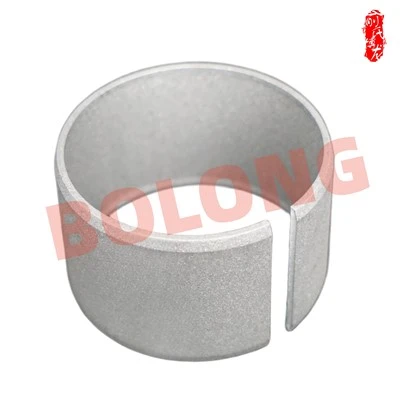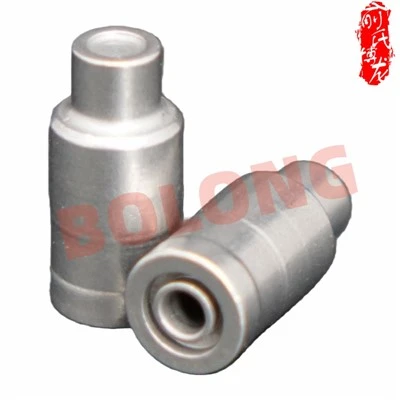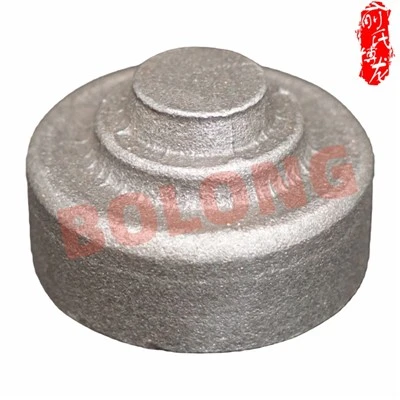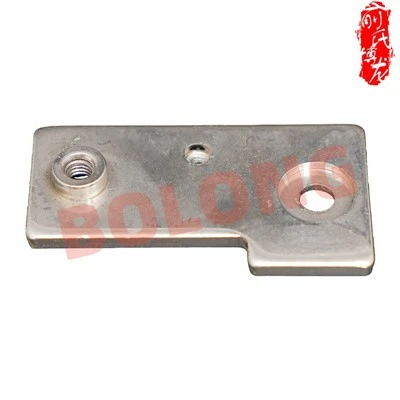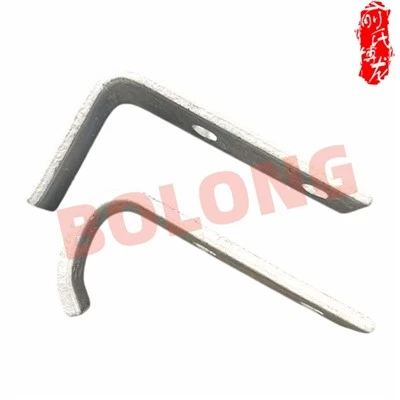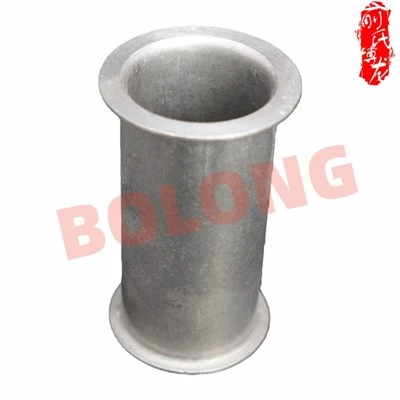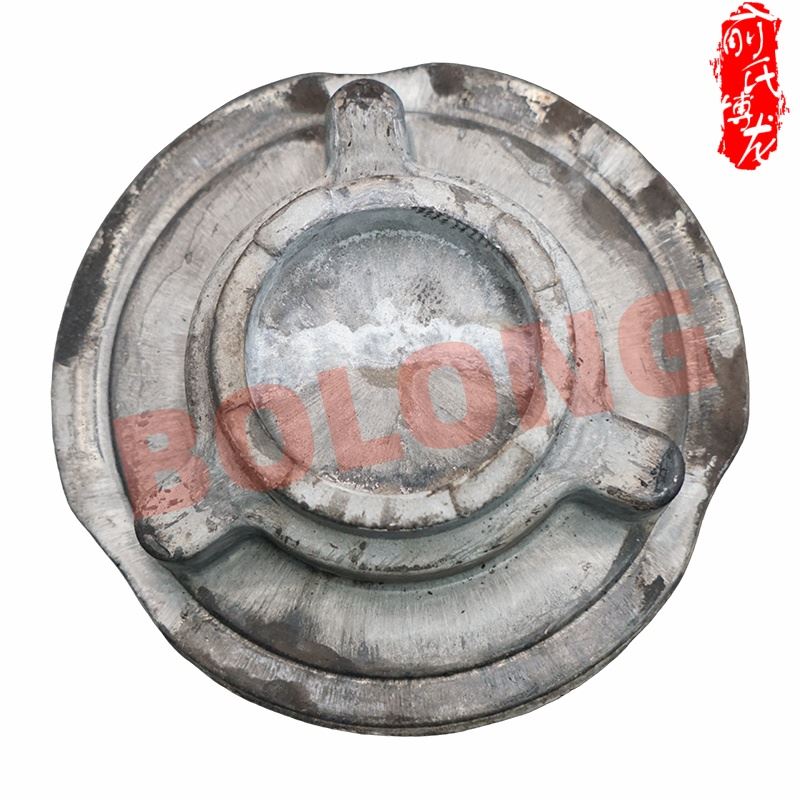

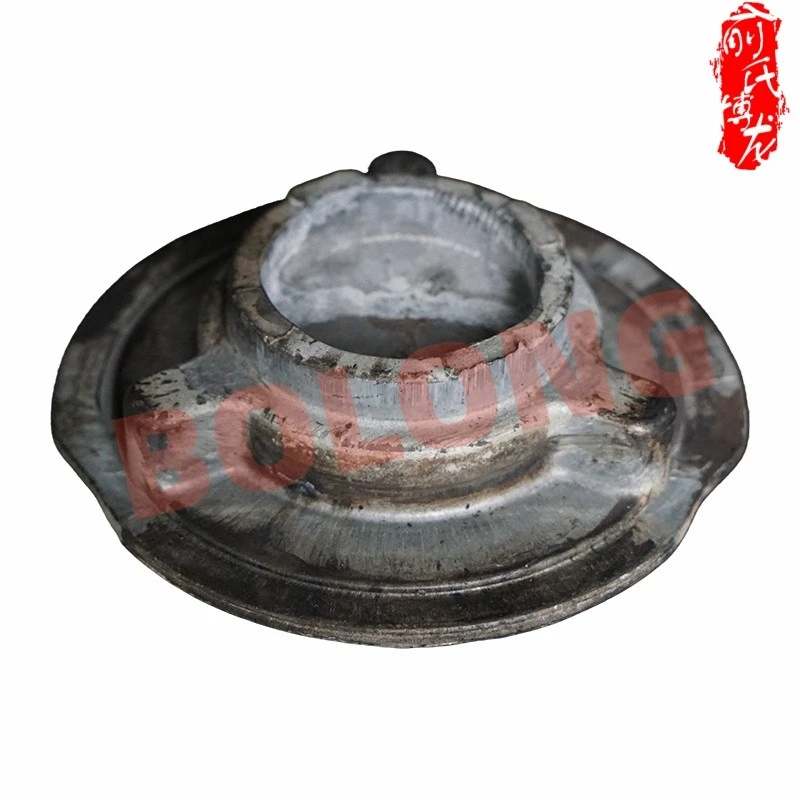
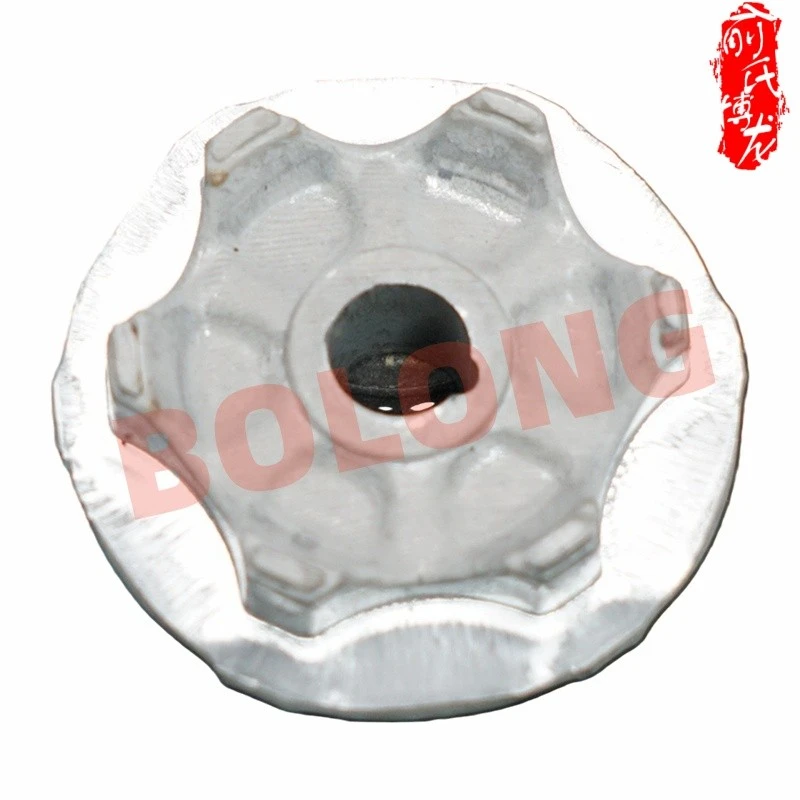
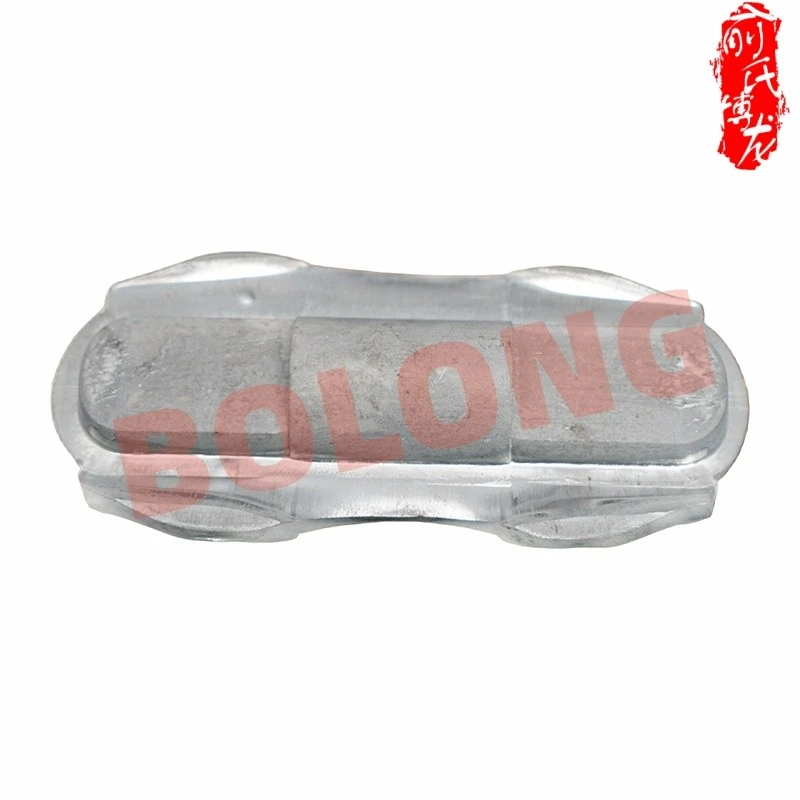
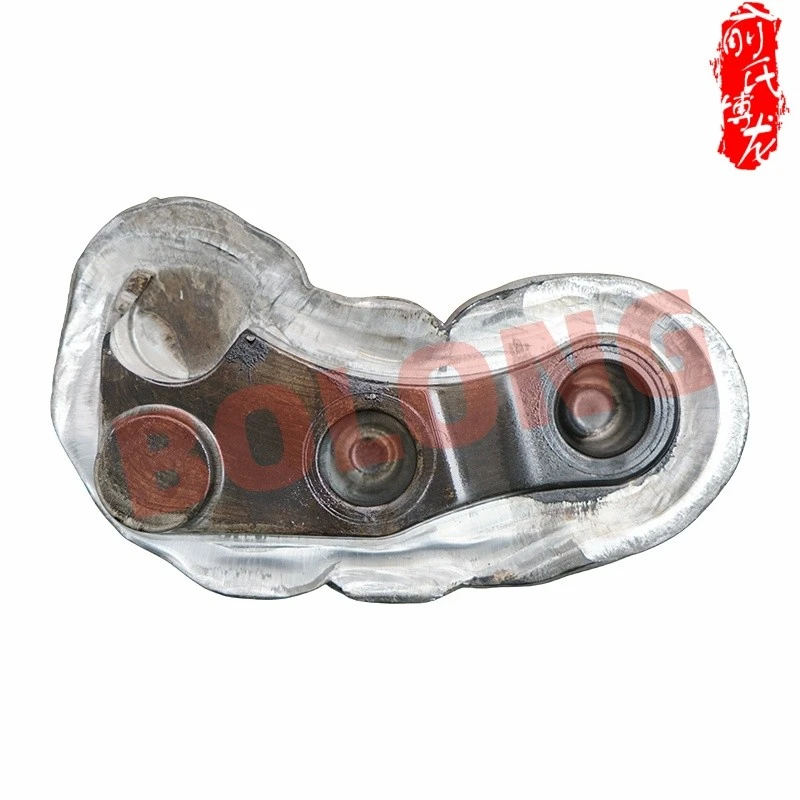
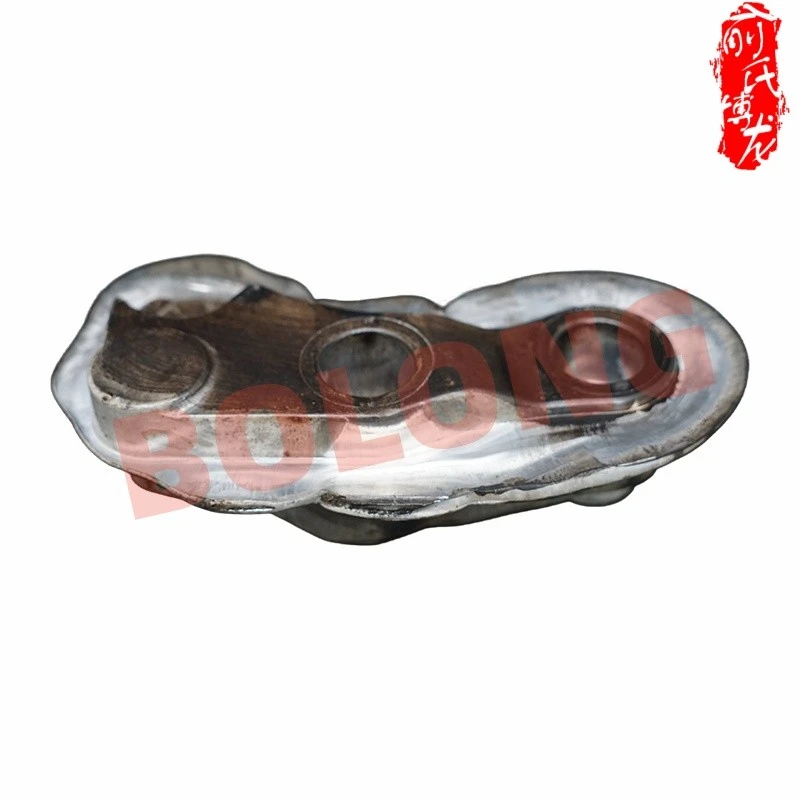
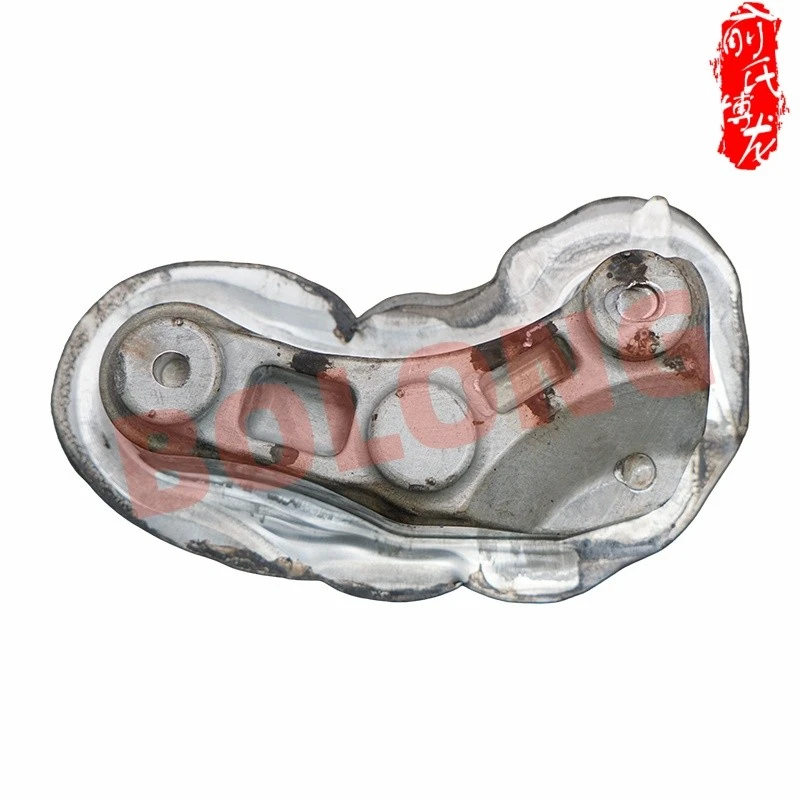
Ningbo Fenghua Bolong Machinery Manufacturing Co., Ltd. is one of the leading manufacturers and suppliers of isothermal forging in China. Please feel free to buy durable isothermal forging made in China here from our factory. All customized products are with high quality and competitive price.
Forming Capabilities
|
Material Types |
Component Types |
Key Features |
|
Aluminum Alloys: 2214, 6061, 6082, 7075, 8090 |
Lightweight structural components, wheel hubs, casings |
Uniform grain structure, superior mechanical properties, near-net shape. Maximum tensile strength up to 491 MPa achievable on select alloys |
Process Specifications
|
Parameter |
Value |
|
Equipment |
High-capacity hydraulic presses with heated die systems |
|
Process Temperature |
430°C – 470°C (aluminum alloys) |
|
Strain Rate |
Low strain rate (1mm/s – 5mm/s) for optimal material flow |
|
Typical Press Load |
10 – 15 MN (aluminum components) |
|
Dimensional Accuracy |
±0.1mm as-forged |
|
Secondary Operations |
CNC finishing, heat treatment, surface treatment |
|
Certifications |
IATF 16949, ISO 14001, ISO 45001, IECQ QC080000 |
Performance Highlights
Eliminates die chilling – consistent material flow
In conventional hot forging, workpiece surface temperature drops rapidly upon contact with cooler dies. Isothermal forging maintains die and billet at identical temperatures throughout the cycle, resulting in uniform deformation, lower forming forces, and defect-free components.
Complex geometries, near-net shape
Produces thin-walled structures, high-aspect-ratio ribs, and integral components that conventional methods cannot form. Direct forging - no preforming steps.
Superior mechanical properties
Uniform grain structures, no coarse grain zones on surfaces. 2A14 aluminum achieves maximum tensile strength up to 491 MPa with elongation exceeding 12%.
Multi-material capability
We process aluminum alloys, titanium alloys, and are exploring magnesium alloys for emerging EV applications.
Near-net shape – minimal post-processing
±0.1mm dimensional accuracy as-forged. Machining required only on critical mating surfaces. Reduced material waste and cycle time.
IATF 16949-certified facility
Full PPAP Level 3 documentation available - process FMEA, control plans, capability studies - prepared to the same standard we apply to Tier 1 automotive customers.
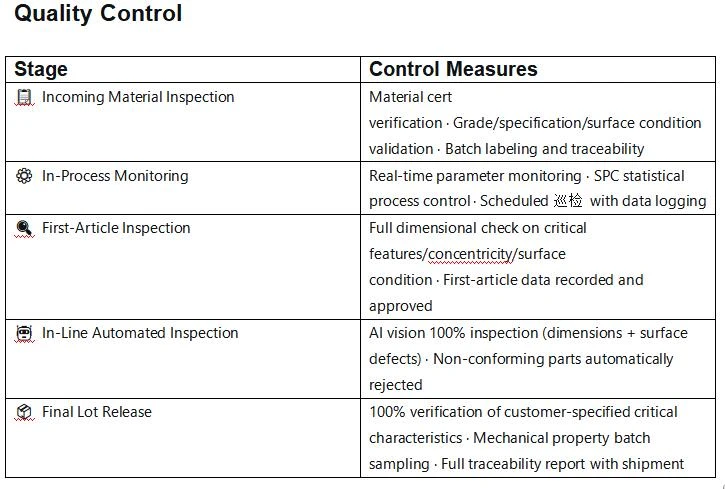
Quality Control
Applications
Automotive Lightweight Components
Aluminum structural parts, suspension components, and wheel hubs. EV battery housings and structural supports requiring lightweight, high-strength solutions.
Aerospace and Defense Components
Structural airframe parts and high-strength components - uniform grain structure and minimal residual stress.
High-Performance Aluminum Components
Casings, cylindrical housings, integral components with thin walls and complex internal geometries - near-net shape with consistent mechanical properties.
Beyond Automotive and Aerospace
|
Sector |
Typical Components |
Key Requirements |
|
Medical / Orthopedic |
Titanium implants, surgical hardware |
Biocompatibility, dimensional accuracy, minimal post-processing |
|
New Energy / EV |
Battery housings, lightweight structural parts |
Weight reduction, complex geometries, high precision |
|
Power Generation |
Turbine components, energy equipment parts |
High-temperature strength, material efficiency |
|
Aerospace / Defense |
Structural frames, high-strength components |
Fatigue resistance, uniform grain structure, near-net shape |
Why Isothermal Forging
Conventional hot forging has a fundamental problem: hot billet contacting cooler dies causes rapid surface cooling, limiting material flow. Complex shapes - thin walls, high ribs - are difficult or impossible to forge conventionally.
Isothermal forging solves this. Die and workpiece at the same temperature throughout. The result:
Unrestricted material flow – fills narrow, deep cavities without premature cooling
Lower forming forces – complete filling at 10–15MN for aluminum housings
Superior microstructure – uniform fine grains deliver higher strength and reliability
Near-net shape – ±0.1mm as-forged, minimal post-machining
No preforming – many complex parts forged directly in a single operation
For complex components, difficult-to-forge materials, and applications where structural integrity is non-negotiable - isothermal forging is the production method.
Hot Tags: isothermal forging, China isothermal forging manufacturers, suppliers, factory, Deep Drawing, High Volume Stamping, metal cutting and forming, Precision Cold Extrusion, Precision Laser Cutting, Precision Stamping Automation Parts