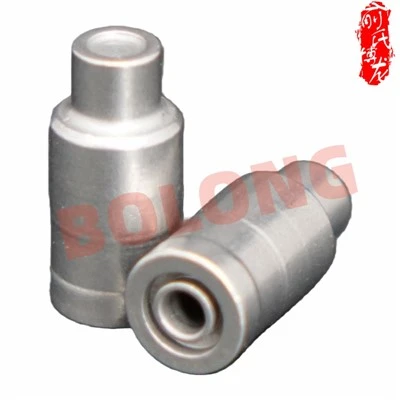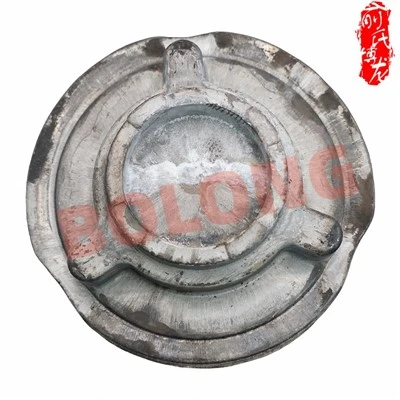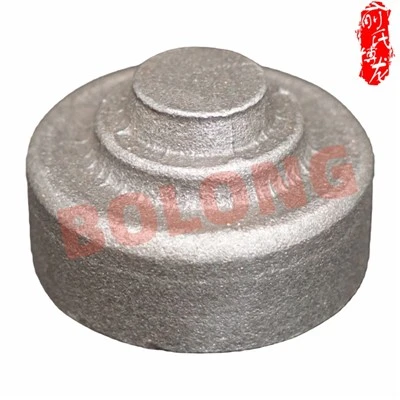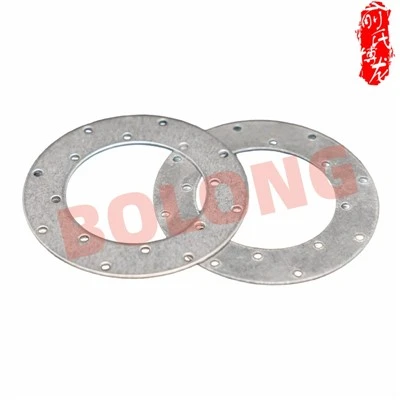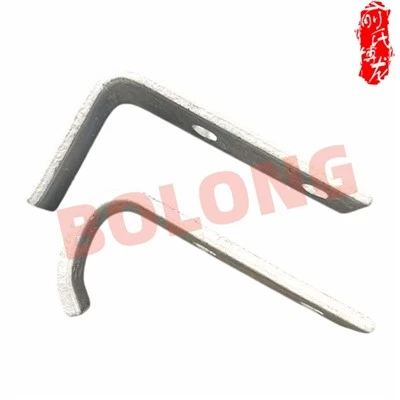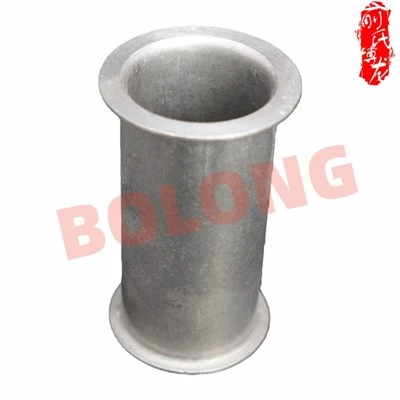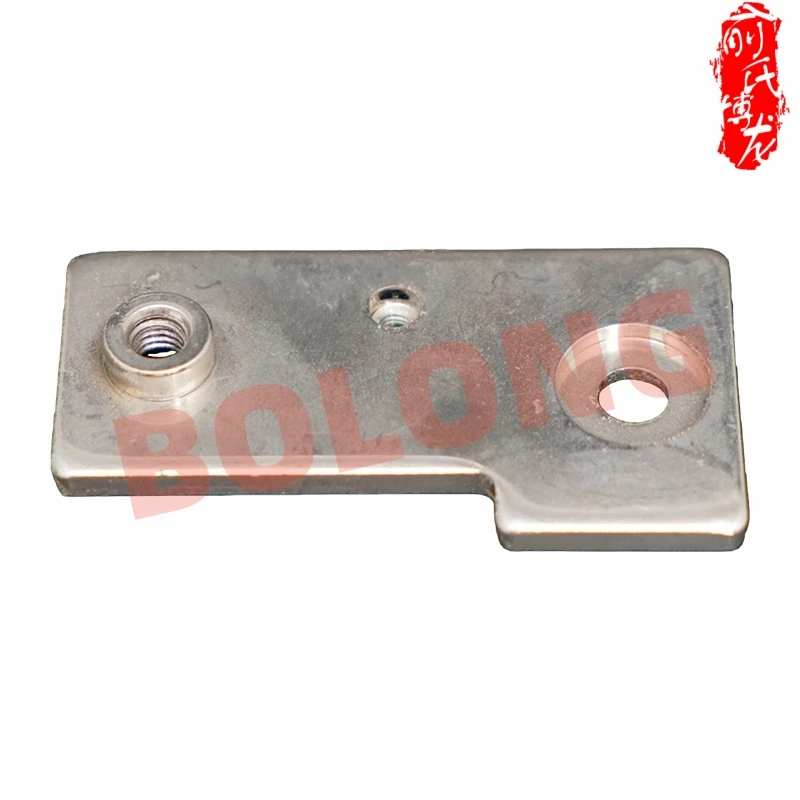

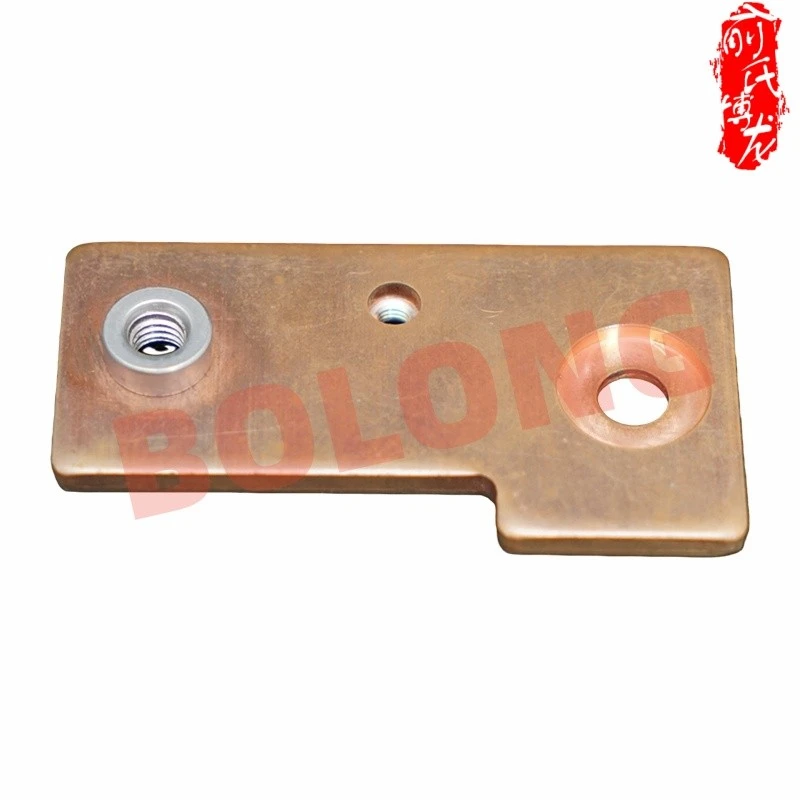
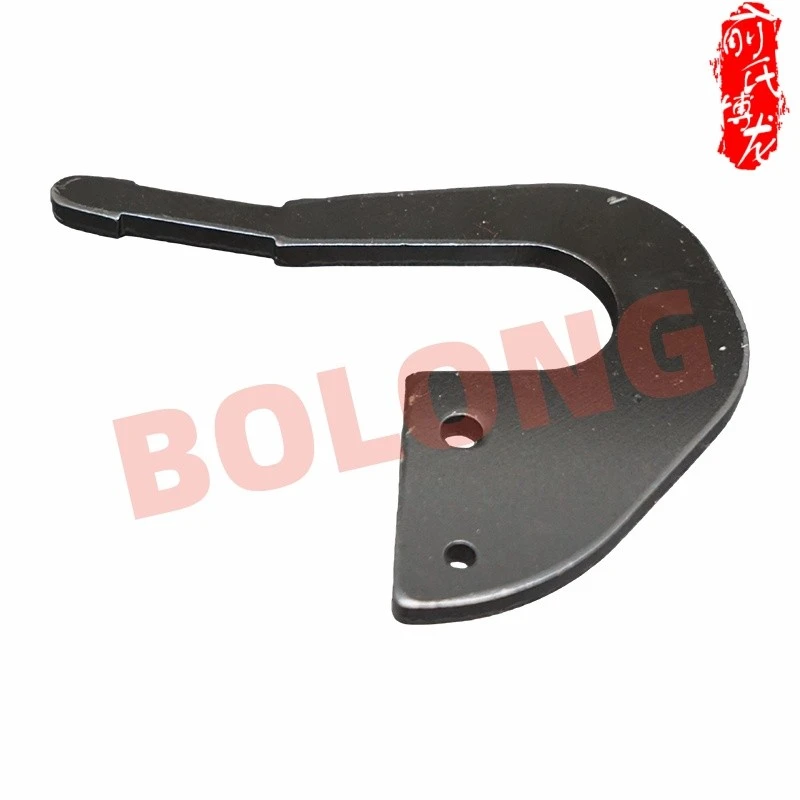
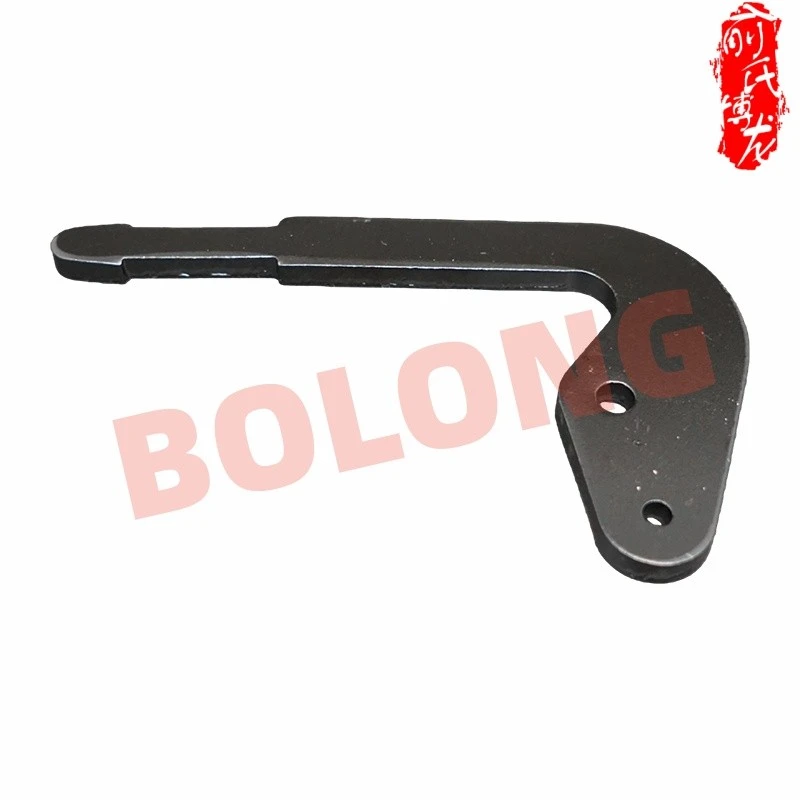
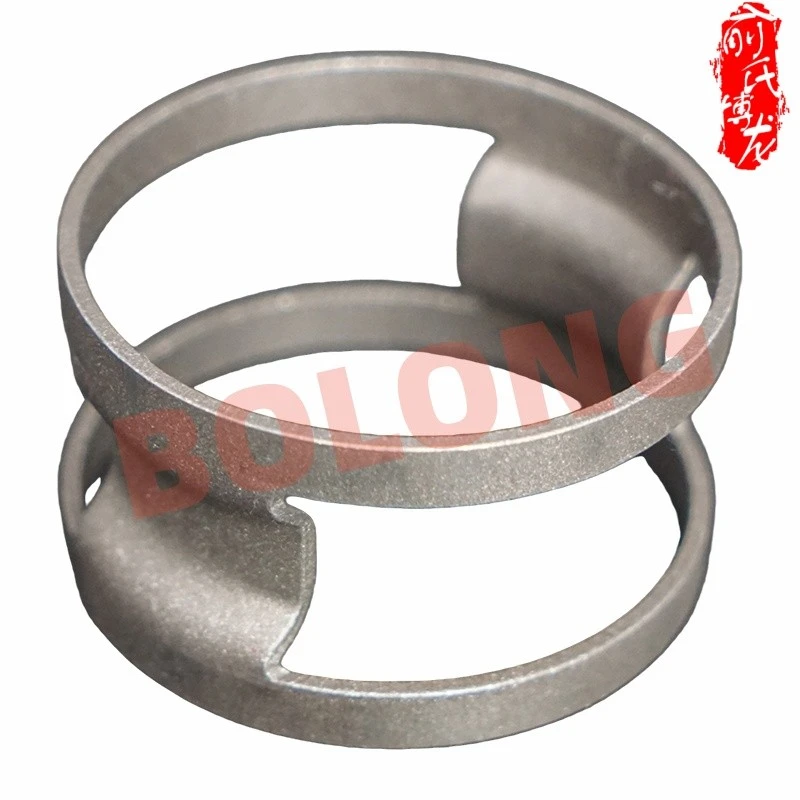
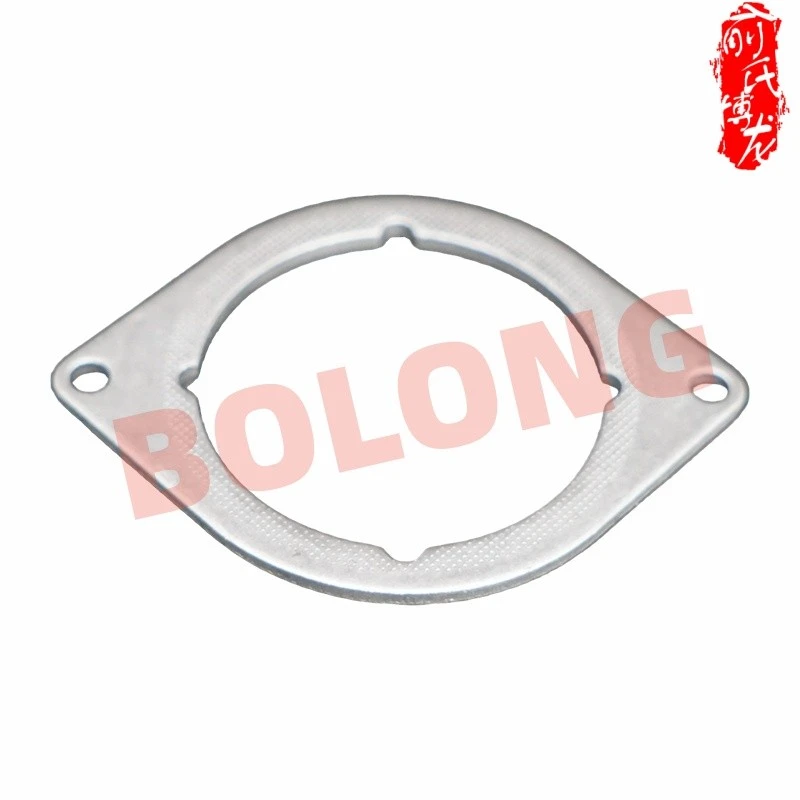
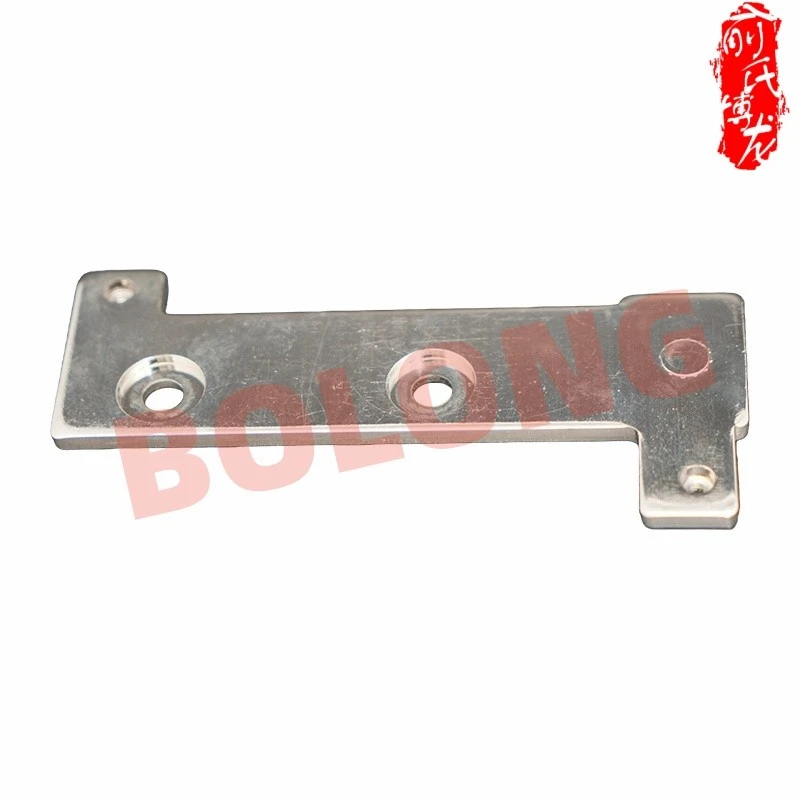
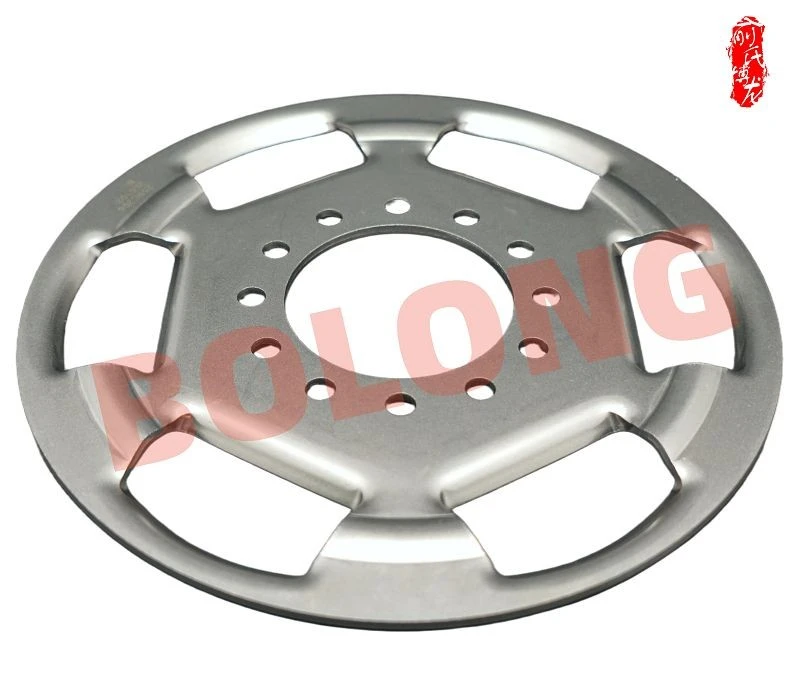
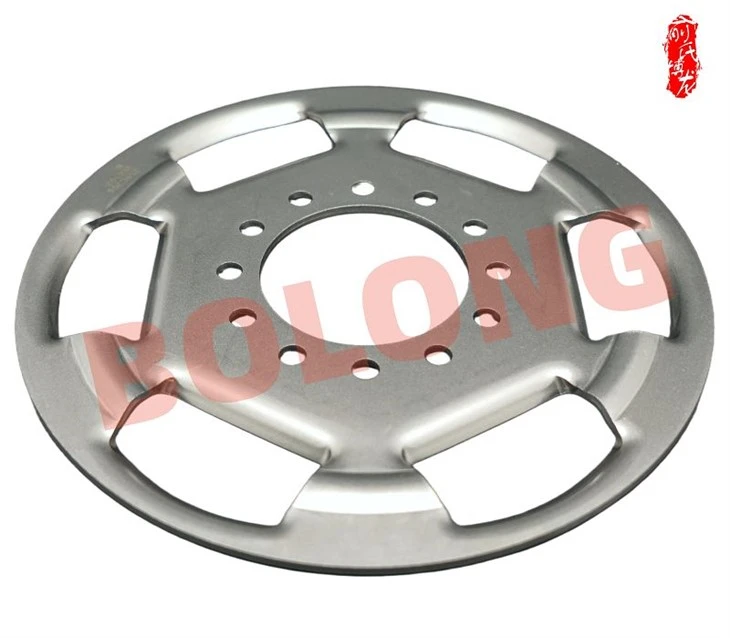
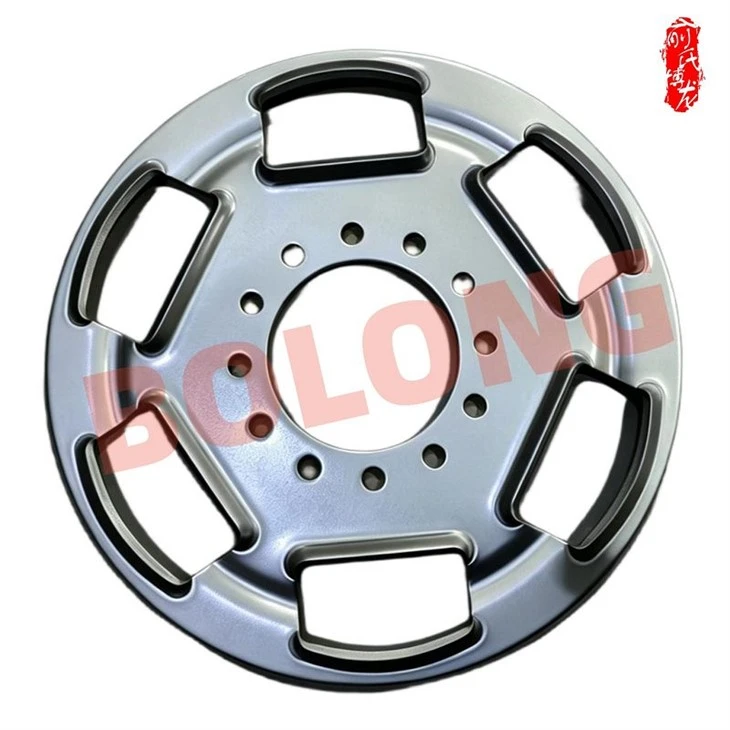
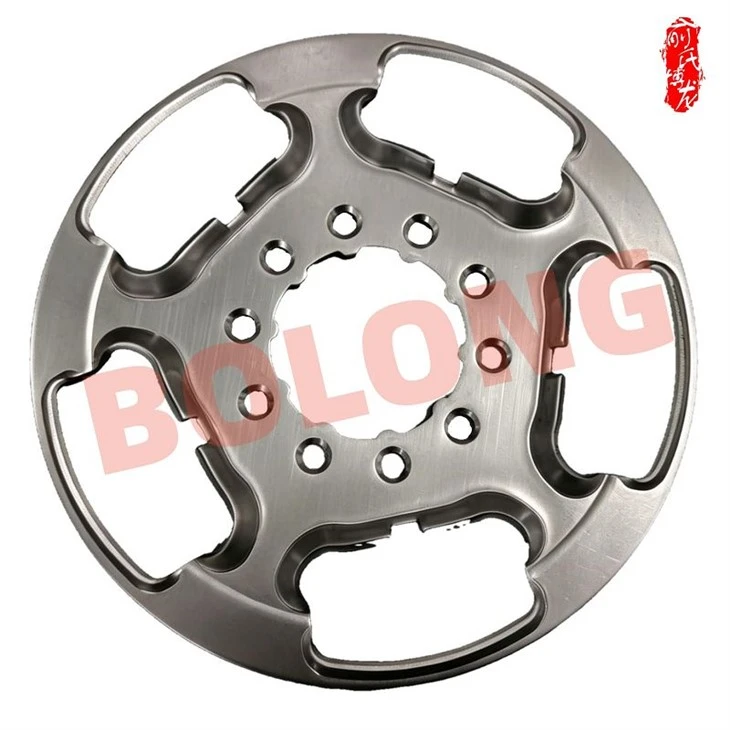
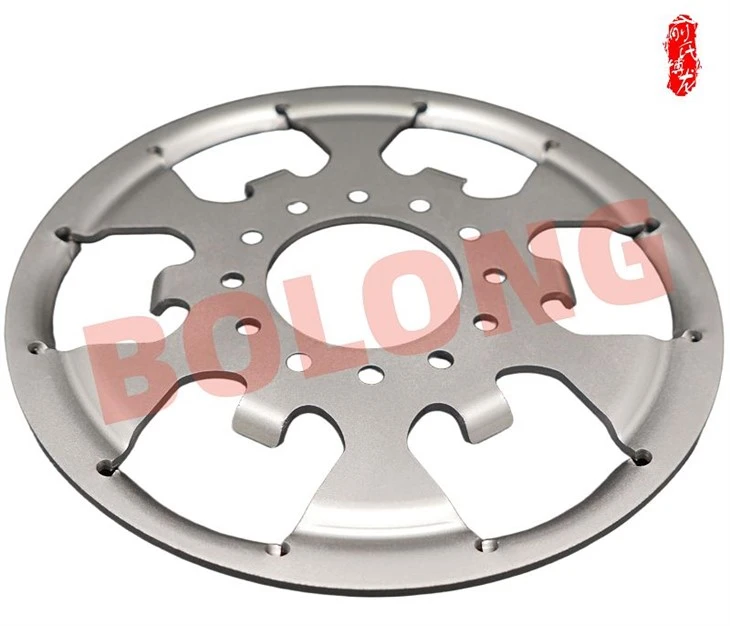
Ningbo Fenghua Bolong Machinery Manufacturing Co., Ltd. is one of the leading manufacturers and suppliers of fine blanking in China. Please feel free to buy durable fine blanking made in China here from our factory. All customized products are with high quality and competitive price.
Fine Blanking Capabilities
|
Material Types |
Component Types |
Edge Characteristics |
|
Carbon structural steel: DC01, SPCC, SPHC, ST12 |
Gears, clutch components, brake backplates, seat mechanisms |
100% sheared smooth surface over full thickness; work-hardened edges for wear resistance |
|
Alloy steel: 42CrMo4, 16MnCr5 |
High-strength automotive components, powertrain parts |
Enhanced mechanical properties, consistent edge quality |
|
Series 1 pure aluminum: 1050, 1060, 1100 |
Heat sinks, conductive components, lightweight parts |
Clean, burr-free edges; excellent surface finish |
|
Aluminum alloy: 5052, 5083, 5754, 6061, 6082 |
Structural components, automotive body parts, housings |
Good formability, strength, and edge quality |
|
Brass: H62, H65, H68 |
Electrical connectors, precision contacts, terminals |
Burr-free edges; clean, flat surfaces; consistent across production batches |
|
Copper / Oxygen-free copper: T2, T3, TU1 |
High-conductivity connectors, busbar components |
Smooth edges, consistent conductivity, plating-ready surfaces |
|
Thickness Range: 0.5mm – 10mm |
Flat and 3D features; complex geometries requiring tight tolerances |
Surface finish up to Ra0.8; tolerances down to ±0.01mm |
Process Specifications
|
Parameter |
Value |
|
Equipment |
Triple-action fine blanking presses |
|
Punch-Die Clearance |
Typically 0.5% – 1% of material thickness (vs. 5% – 10% for conventional stamping) |
|
Tolerances |
±0.01mm – ±0.05mm achievable (feature and material-dependent) |
|
Secondary Operations |
Minimal - often eliminates deburring, grinding, and shaving |
|
Certifications |
IATF 16949, ISO 14001, ISO 45001, IECQ QC080000 |
Performance Highlights
Fully sheared, smooth edges - no fracture zone
In conventional stamping, about one-third of the cut edge is smooth, and two-thirds is rough, fractured surface. Fine blanking reverses this: with proper tooling, the edge can be 100% sheared and bright over the entire thickness. This eliminates burrs and often removes the need for secondary deburring or machining.
Extrusion-like material flow, not fracture
Fine blanking uses a V-ring to lock the material in place and applies counterpressure during cutting, creating a hydrostatic stress state that promotes plastic flow rather than brittle fracture. Parts emerge with work-hardened edges - hardness can increase 150%–200% over the original material.
Flatness and dimensional stability
The triple-action process (clamping, punching, counterpressure) supports the workpiece throughout the entire stroke, maintaining flatness even on thick material up to 10mm (and beyond). Distortion is minimized - the first part and the millionth part are essentially identical.
Small holes and thin webs relative to thickness
The controlled material flow permits hole diameters as small as 60% of material thickness and thin wall sections that would be impossible with conventional stamping. Multiple features - holes, forms, 3D contours - can be added in a single operation.
Broad material compatibility
Fine blanking works with carbon steels, alloy steels, stainless steels, brass, copper alloys, aluminum, and even superalloys. The process is particularly suited for materials that are difficult to blank conventionally.
IATF 16949-certified facility
Full PPAP Level 3 documentation available - process FMEA, control plans, capability studies - prepared to the same standard we apply to Tier 1 automotive customers.
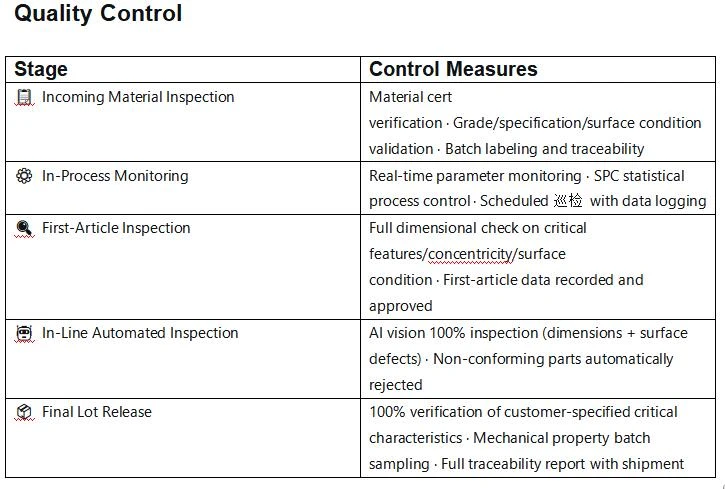
Quality Control
Applications
Automotive Components
Brake backplates, clutch plates, seat recliner mechanisms, seat belt components, engine VCT plates, and transmission parts are produced through fine blanking. The process delivers smooth edges, tight flatness, and high dimensional consistency - essential for safety-critical moving mechanisms.
Gears and Power Transmission
Spur gears, bevel gears, and complex gear sets are fine-blanked to near-net shape with excellent tooth surface finish and dimensional accuracy. The process is cost-effective for high-volume production and delivers gear quality superior to conventional stamping or powder metallurgy.
Precision Mechanisms and Industrial Components
Levers, brackets, and mechanical components for office equipment, appliances, and medical devices are fine-blanked with minimal post-processing. The smooth edges and precision reduce assembly issues and improve mechanism reliability.
Electrical and Electronic Components
Connector housings, terminal blocks, and precision contacts are fine-blanked from copper alloys and brass to tight tolerances, with burr-free edges ready for plating or direct assembly.
Beyond Automotive
|
Sector |
Typical Components |
Key Requirements |
|
Aerospace |
Structural brackets, precision mechanisms |
High reliability, tight tolerances, material traceability |
|
Electronics / Consumer |
Connector housings, precision contacts, terminal blocks |
Burr-free edges, tight tolerances, plating compatibility |
|
Appliances / White Goods |
Mechanism parts, fasteners, brackets |
Cost-effective volume, dimensional consistency |
|
Medical |
Surgical instrument components, implantable device parts |
Precision, cleanliness, biocompatible materials |
|
Industrial Equipment |
Gear mechanisms, levers, clutch components |
Wear resistance, smooth edges, high-volume output |
Why Fine Blanking
Conventional stamping is fast and cost-effective, but it leaves rough edges. For precision components, those rough edges require secondary operations - deburring, grinding, shaving - adding cost and handling. Machining produces clean edges but is slow and wasteful.
Fine blanking combines the productivity of stamping with the edge quality of machining:
Conventional stamping – fast, but edges are one-third smooth and two-thirds fractured. Deburring is required. Secondary operations add cost.
Machining – precise, smooth edges, but slow and material-wasteful. High cost at volume.
Fine blanking – as productive as stamping, as clean as machining. 100% smooth edges in a single press stroke. No deburring. No secondary finishing. Flat, accurate, ready-to-use parts - straight from the press.
For precision components in automotive, aerospace, and industrial applications - where smooth edges, tight tolerances, and high volumes are non-negotiable - fine blanking is not just an alternative. It is the production method.
Contact Us for Your New Project
Hot Tags: fine blanking, China fine blanking manufacturers, suppliers, factory, Closed Die Forging, Cold Extruded Valve Bodies, Deep Draw Stamping, Laser Cutting, metal cutting and forming, Tube Deep Drawing