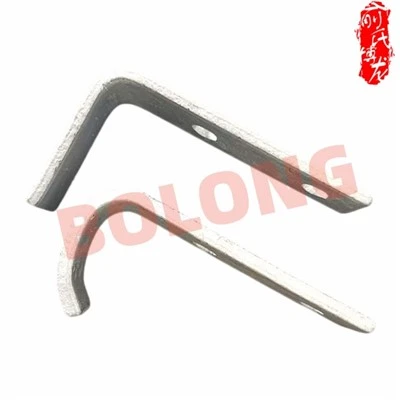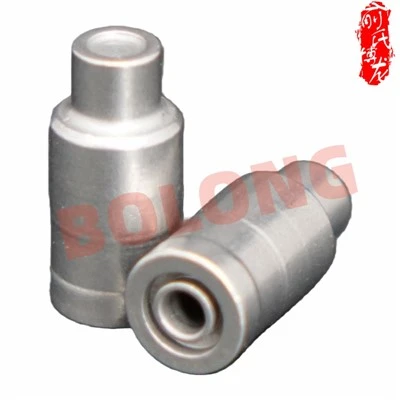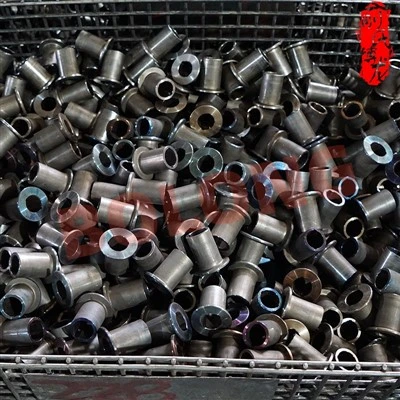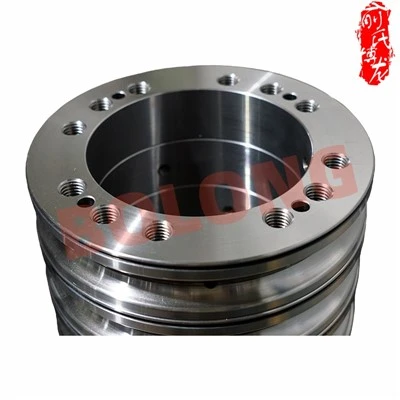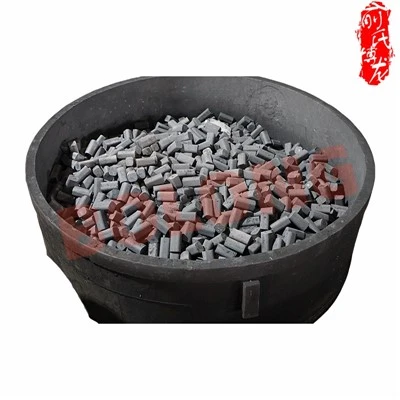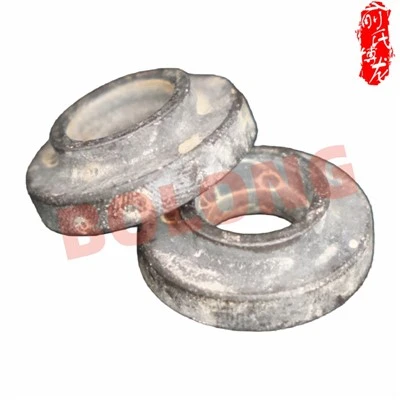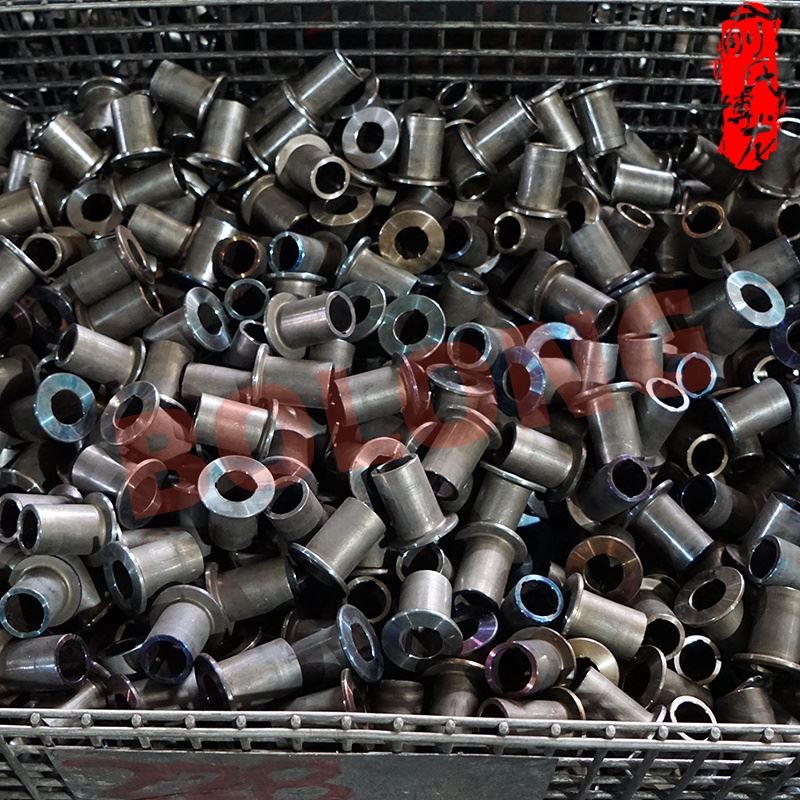

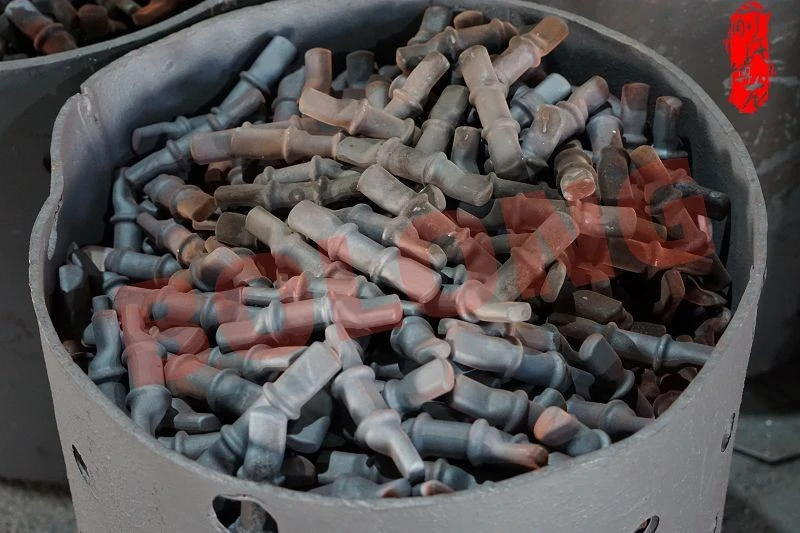
Ningbo Fenghua Bolong Machinery Manufacturing Co., Ltd. is one of the leading manufacturers and suppliers of carburizing in China. Please feel free to buy durable carburizing made in China here from our factory. All customized products are with high quality and competitive price.
Process Specifications
|
Parameter |
Specification |
|
Carburizing Temperature |
850°C – 1,050°C (typically 925°C) |
|
Carburizing Atmosphere |
Carbon-rich gas (methane/propane + neutral carrier), or vacuum low-pressure carburizing (acetylene) |
|
Quench Media |
Oil, water, polymer - selected per material and process requirements |
|
Case Depth Range |
0.1–1.5mm (customizable per requirements) |
|
Applicable Materials |
45#, 20# carbon steel; 40Cr, 35CrMo, 20CrMnTi alloy steel; 6061/6063 aluminum; 304 stainless steel; brass |
|
Certifications |
IATF 16949, ISO 14001, ISO 45001, IECQ QC080000 |
Performance Highlights
Chemically alters the surface composition
Unlike induction hardening, which only changes microstructure, carburizing adds carbon to the surface layer. This enables low-carbon steels to achieve surface hardness of 50–65 HRC after quenching.
01
Gas carburizing – mature and cost-effective
Parts are heated in a carbon-rich atmosphere (methane/propane with neutral carrier gas). A proven, widely adopted process with consistent results.
02
Vacuum carburizing – oxidation-free, uniform case
Alternating acetylene and nitrogen pulses in a vacuum environment eliminates intergranular oxidation and produces uniform case depth on complex geometries.
03
Precise case depth control
Case depth is controlled through time and temperature. Typical 925°C carburizing for 5–6 hours achieves approximately 1.0mm case depth.
04
Automotive and industrial critical parts
Transmission gears, drive shafts, and components under high contact stress and fatigue loading require carburizing.
05
Applications
Automotive Transmission Gears
Gears require wear-resistant surfaces and tough cores. Carburizing is the standard process for automotive gear applications.
Drive Shafts and Universal Joints
Drive shafts and universal joints carry torque while requiring surface wear resistance. Carburizing provides the required combination of surface hardness and core toughness.
Bearings and Camshafts
Bearing raceways and camshaft lobes require high wear resistance. Carburizing extends component service life.
Why Carburizing
Through hardening – hardens the entire part; toughness is compromised; risk of fracture
Induction hardening – works only on medium/high carbon steels; cannot harden low-carbon steels
Carburizing – hardens the surface while preserving a tough core - the ideal combination for gears, shafts, and other critical parts
For components under high contact stress and impact loading - carburizing is the standard process.
Contact Us for Your New Project
Hot Tags: carburizing, China carburizing manufacturers, suppliers, factory, Carburizing, Induction Hardening Steel Parts, Induction Heat Treatment, Selective Hardening, Spheroidizing Annealing, Vacuum Carburizing