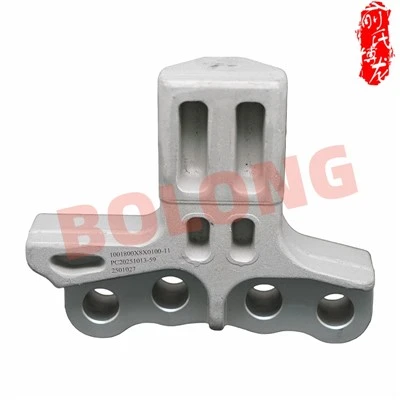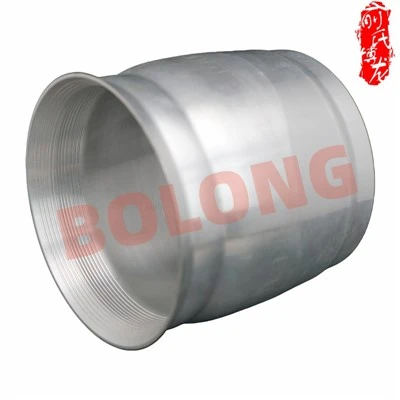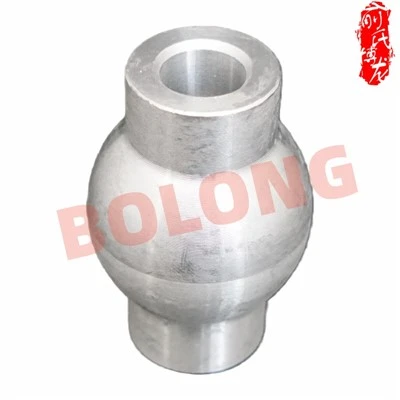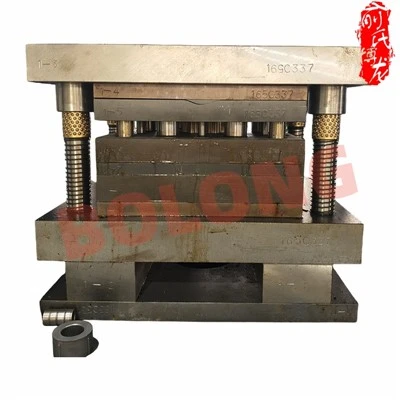

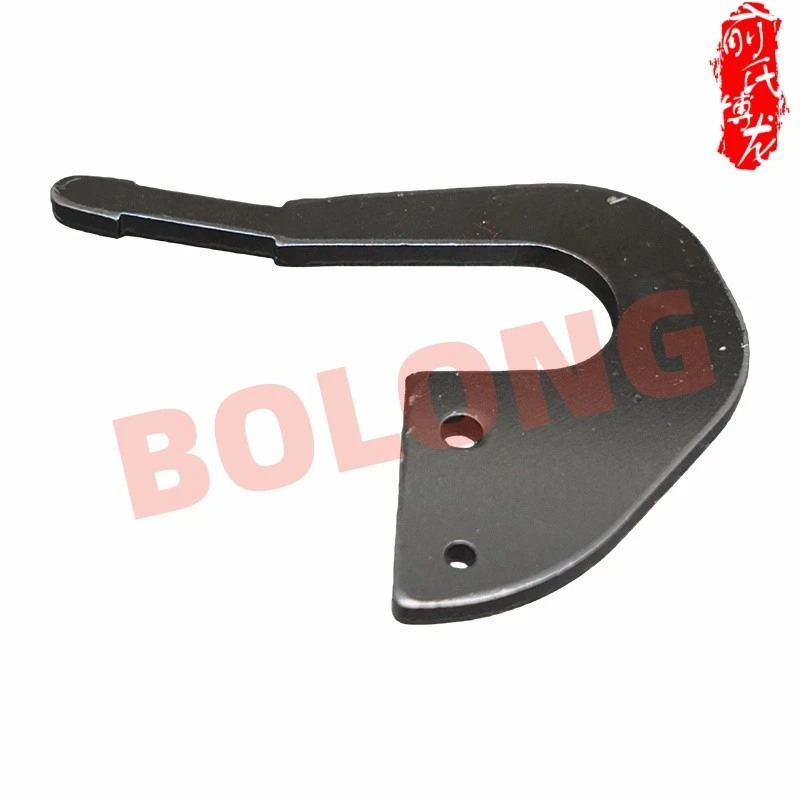
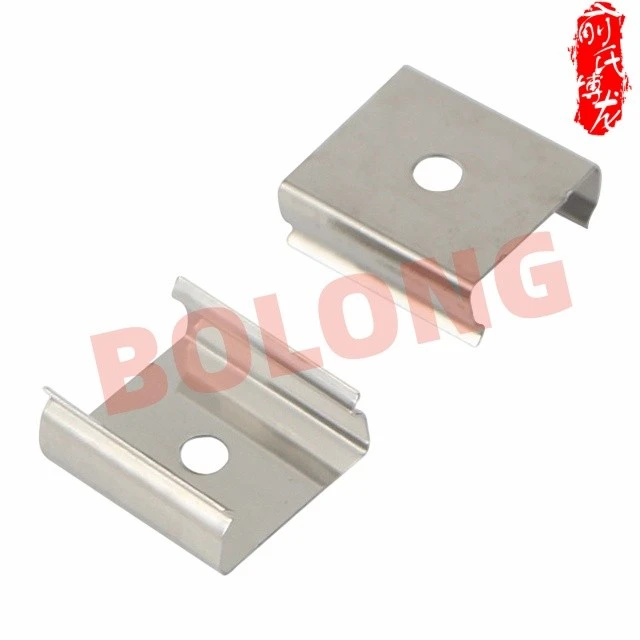
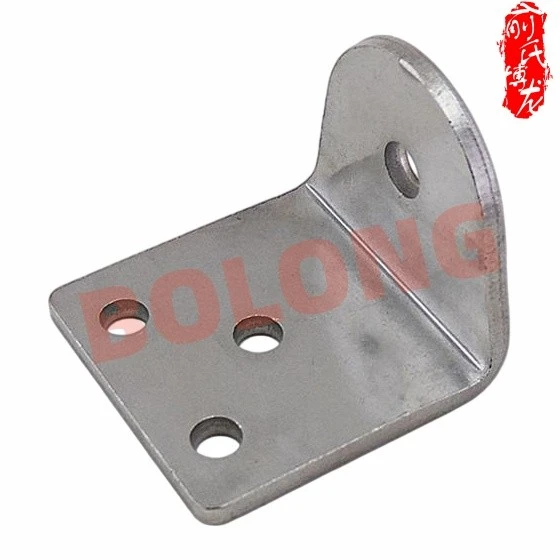
Ningbo Fenghua Bolong Machinery Manufacturing Co., Ltd. is one of the leading manufacturers and suppliers of seat recliner release wire‑form rod assembly in China. Please feel free to buy durable seat recliner release wire‑form rod assembly made in China here from our factory. All customized products are with high quality and competitive price.
Core Advantages
Precision Wire Forming Technology - CNC wire forming machines produce consistent bend geometry - including radii, angular orientation, and hook profiles - across high-volume runs. This repeatability ensures each rod aligns correctly with the recliner release plate and handle bracket, eliminating binding points that can cause incomplete latch disengagement. The process also preserves material grain structure at bend points, maintaining fatigue strength where it matters most.
Optimized Force Transmission - The rod geometry is designed to translate handle or strap travel into the precise linear or rotary motion required by the specific recliner mechanism. Proper alignment between the wire path, cable housing mounting points, and the recliner cam interface - as detailed in automotive seat release patents - is essential for achieving minimum release effort and preventing slow or incomplete seat back return. Our designs are validated against customer-specified pull-force and stroke requirements.
High-Strength Steel Wire - Manufactured from high-carbon spring steel or alloy steel wire, selected for tensile strength, flex fatigue resistance, and wear performance at contact and pivot points. Wire diameter and material grade are matched to application requirements - from light-duty passenger car release mechanisms through to heavy-duty commercial vehicle seating.
Versatile End Terminations - End configurations are tailored to the specific interface requirements of each customer's recliner and handle assembly: formed hooks for direct engagement with the release plate; clevis-style connectors for pinned joints; cable-end clips for Bowden cable integration; and flattened-and-drilled ends for bolted or riveted attachments. End features are precision-formed or machined to ensure secure retention and proper load transfer without play or binding.
Corrosion-Resistant Finishes - Available with zinc plating, Dacromet, e-coat, or phosphating to withstand the under-seat environment - where exposure to moisture, dust, thermal cycling, and incidental chemicals is common. Coating selection is matched to the customer's corrosion protection standard and validated through salt spray testing.
Flex Fatigue Durability - Bend radii and stress-relief features are optimized during the design phase to minimize stress concentration. The wire forming process maintains uninterrupted grain flow through bends, providing superior resistance to cyclic loading compared to machined or cast alternatives. Validation testing confirms performance through the full range of expected adjustment cycles.
Dimensional & Functional Verification - Critical features - overall length, bend positions, end fitting orientation, and angular relationships - are verified on CMM equipment. Pull-force and actuation stroke testing is performed on sample basis per lot to validate compatibility with the target recliner assembly before shipment.
Technical Specifications
|
Parameter |
Details |
|
Product Name |
Seat Recliner Release Wire-Form Rod Assemblies |
|
Materials |
High-carbon spring steel, alloy steel wire |
|
Manufacturing Process |
CNC wire forming, bending, end machining, heat treatment, coating |
|
Wire Diameter Range |
2-8mm (application-specific) |
|
Length Range |
50-400mm (customizable) |
|
End Configurations |
Formed hooks, clevis connectors, cable clips, flattened/drilled ends |
|
Tolerances |
Bend position ±0.3mm; angular orientation ±1°; overall length ±0.5mm |
|
Surface Treatment |
Zinc plating, Dacromet, e-coat, phosphating |
|
Quality Systems |
IATF 16949 certified manufacturing |
Manufacturing Process
|
Stage |
Key Operations |
Quality Gates |
|
Wire Preparation |
Coil feeding → straightening → cutting to length |
Material certificate verification; diameter check |
|
CNC Forming |
CNC wire forming machine → bending to programmed geometry |
Bend position; angle orientation; spring-back compensation |
|
End Finishing |
Flattening, drilling, hook forming, or connector attachment |
End feature dimensions; burr height control |
|
Thermal Treatment |
Stress relief or hardening as specified |
Hardness verification; tensile strength check |
|
Coating & Final |
Surface prep → zinc/Dacromet/e-coat/phosphating → final inspection |
Coating thickness; CMM verification; pull-force validation |
Quality Control
Application Scenarios
Manual Seat Back Recliner Release
The wire-form rod or cable assembly connects the side-mounted release handle, front-mounted pull-strap, or remote lever to the recliner mechanism's release plate or pawl lock. When the occupant actuates the control, the rod transmits the pull force to the recliner - disengaging the locking mechanism and allowing seat back angle adjustment.
Easy-Entry & Fold-Flat Systems
In second-row and third-row seating, release rods enable single-motion seat back folding for passenger access to rear rows. The linkage must reliably transmit actuation force while accommodating the kinematic path of the folding seat back - including the articulation between the seat cushion and backrest during the fold cycle.
Manual Override for Power Recliners
Backup release rods provide manual functionality in power-actuated recliner systems, ensuring seat back adjustment remains possible in the event of power loss or motor failure - a safety and convenience requirement for many OEM seating programs.
Interface Compatibility
|
Interface |
Rod Termination |
Mating Component |
|
Recliner release plate |
Formed hook or clevis |
Recliner pawl release tab |
|
Handle bracket |
Cable clip or pivot pin |
Release handle or pull-strap bracket |
|
Cable housing mount |
Flattened/drilled end |
Bowden cable abutment or bracket |
Custom Services
Engineering consultation - design review and wire diameter selection based on pull-force targets, stroke requirements, and vehicle package constraints
Custom wire forming
Bend geometry, angular orientation, and end configurations per your component print
End termination design
Hooks, clips, clevis connectors, or drilled/flattened ends matched to your recliner and control interfaces
Material selection
High-carbon steel for standard applications; alloy steel for high-load or fatigue-critical programs
Surface treatment
zinc plating, Dacromet, e-coat, or phosphating per your OEM corrosion specification
Sample support
Prototype quantities for assembly fitment and pull-force validation prior to production tooling
Production volume
From pilot runs to high-volume production with PPAP Level 3 documentation
Whether you need release rod assemblies for manual seat back adjustment, easy-entry fold-flat systems, or manual override functionality in power recliner applications - our engineering team provides full support from design review and prototyping through wire forming, surface treatment, and production delivery.
Contact Us for Your New Project
Hot Tags: seat recliner release wire‑form rod assembly, China seat recliner release wire‑form rod assembly manufacturers, suppliers, factory, Bowden Cable Release Rod for Seat Adjustment, Lightweight Aluminum Brackets for EV, Seat Recliner Release Cable Assembly, Seat Recliner Release Wire Form Rod Assembly, Shock Absorber Spacer Ring, Suspension Retaining Ring