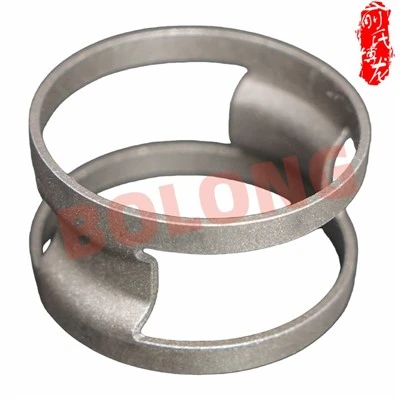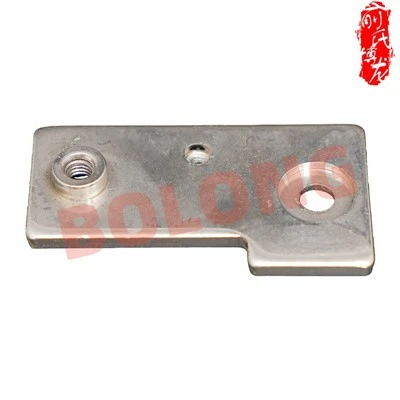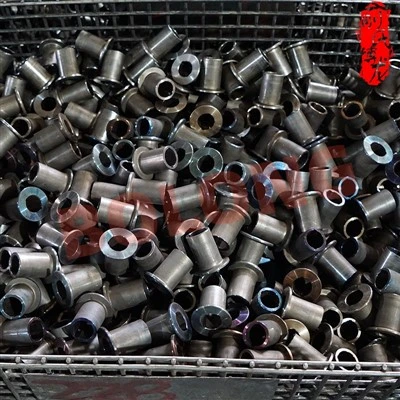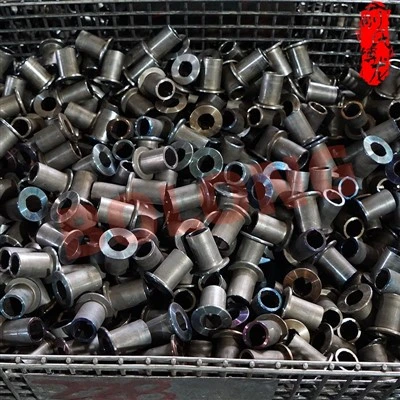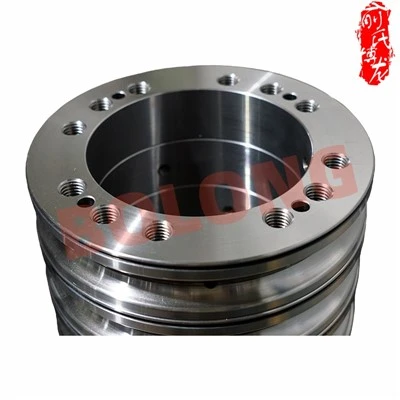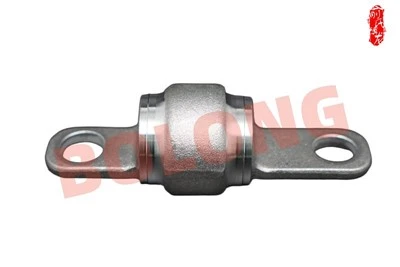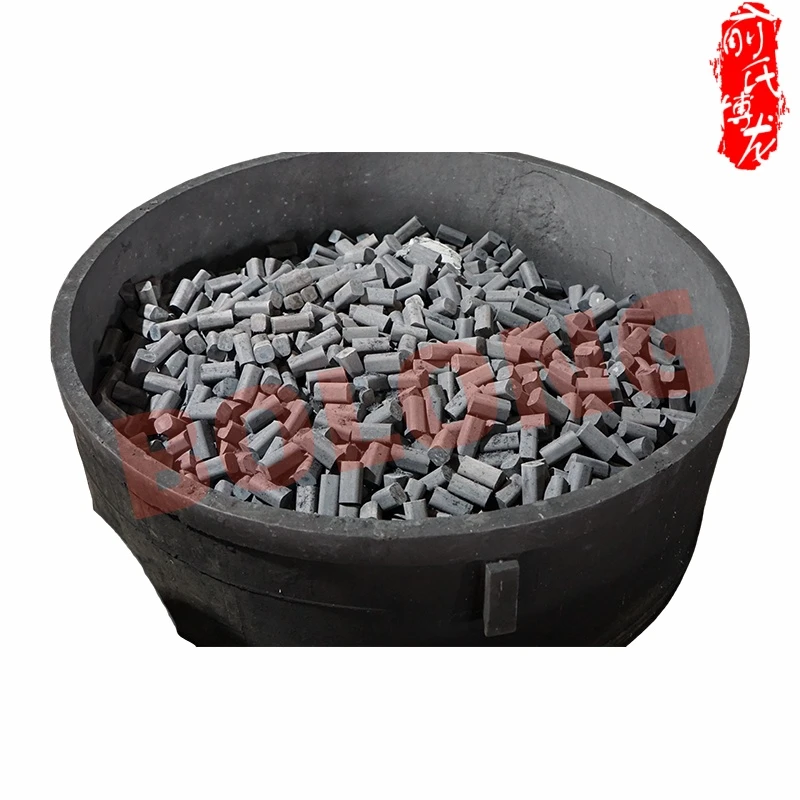

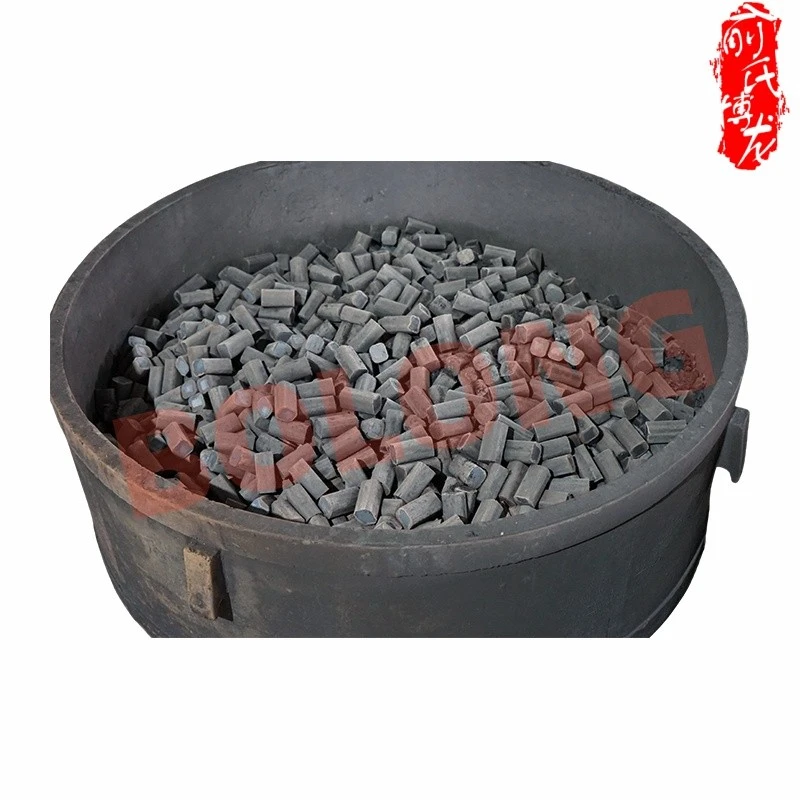
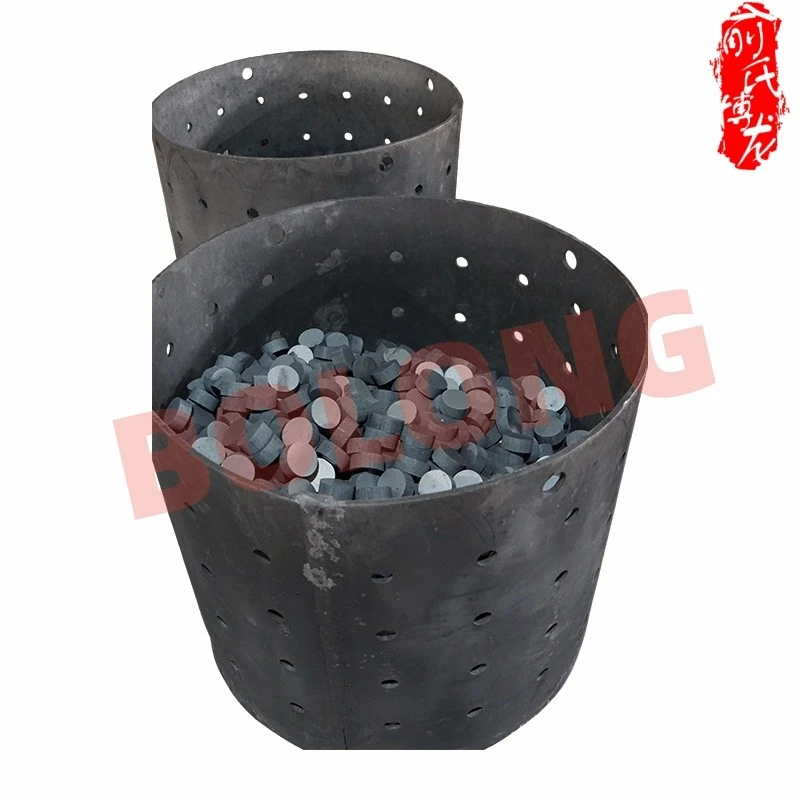
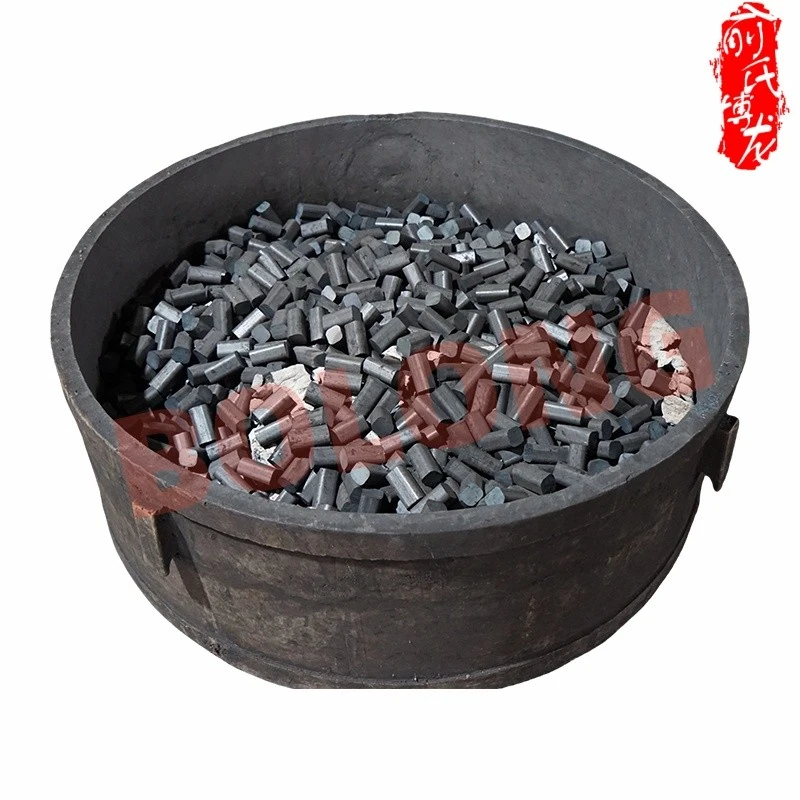
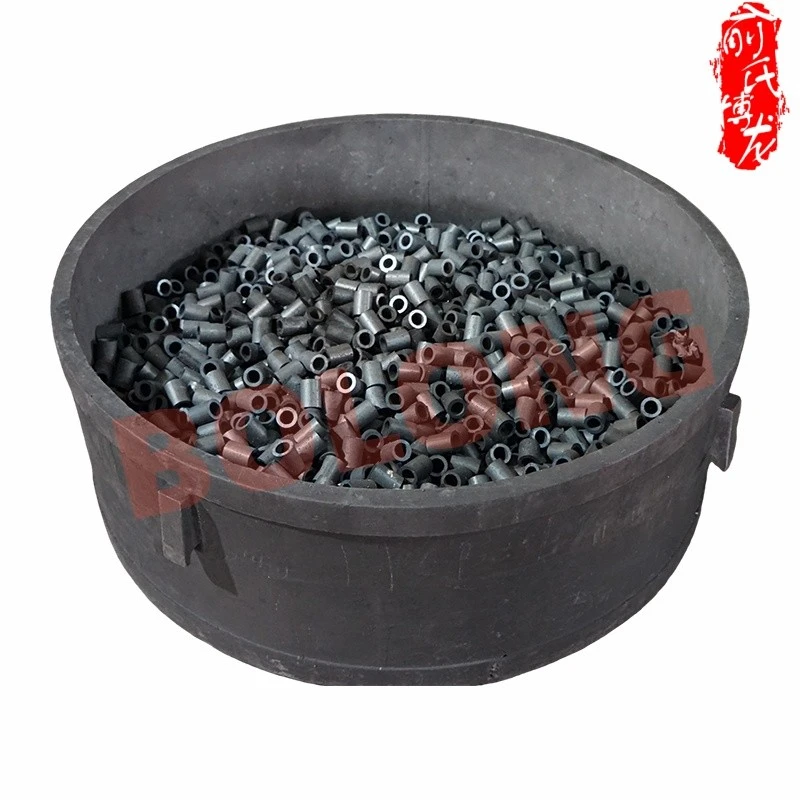
Ningbo Fenghua Bolong Machinery Manufacturing Co., Ltd. is one of the leading manufacturers and suppliers of tempering in China. Please feel free to buy durable tempering made in China here from our factory. All customized products are with high quality and competitive price.
Process Specifications
|
Parameter |
Specification |
|
Tempering Temperature |
150–700°C (material and property-dependent) |
|
Typical Temperature Ranges |
150–260°C (low-temper - tools); 370–650°C (high-temper - structural steels) |
|
Holding Time |
Typically 1 hour minimum, depending on section thickness |
|
Typical Effect |
2–4 HRC hardness reduction; toughness significantly improved |
|
Applicable Materials |
45#, 20# carbon steel; 40Cr, 35CrMo, 20CrMnTi alloy steel; 6061/6063 aluminum; 304 stainless steel; brass |
|
Certifications |
IATF 16949, ISO 14001, ISO 45001, IECQ QC080000 |
Performance Highlights
Eliminates quench stress - prevents cracking
Fresh martensite carries high residual stress. Tempering relieves this stress, eliminating the risk of spontaneous cracking or premature fracture.
Balances hardness and toughness
Higher tempering temperatures reduce hardness and increase toughness. By controlling temperature and time, the required balance is achieved for each application.
Multi-temperature capability
Low tempering (150–260°C) retains high hardness - suitable for cutting tools and wear parts. Medium/high tempering (370–650°C) yields higher toughness - suitable for structural components under impact loads.
Mandatory after quenching
Tempering is not optional. A quenched part without tempering is too brittle and stressed for safe use in any structural application.
Applications
Gears, Shafts, and Bearing Rings
After carburizing or induction hardening, gears and shafts must be tempered to relieve stress and restore the required toughness.
Springs and Fasteners
Spring steels and fasteners are quenched and tempered at medium temperatures to achieve the required combination of toughness and elasticity.
Tools and Dies
Tool steels are quenched and low-tempered to retain high hardness while improving impact toughness.
Why Tempering
Tempering is not an option - it is a mandatory step after quenching:
Quenched (untempered) – high hardness but extremely brittle; high residual stress - risk of cracking or fracture
Tempered – hardness modestly reduced; toughness significantly improved; stress relieved - parts are safe and reliable
For every hardened component - tempering is the required post-quench production step.
Contact Us for Your New Project
Hot Tags: tempering, China tempering manufacturers, suppliers, factory, Case Hardening Service, Induction Hardening Service, Industrial Tempering, Selective Hardening, Spheroidizing Annealing, Vacuum Carburizing