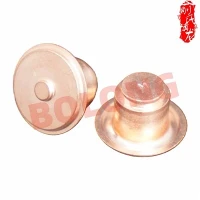
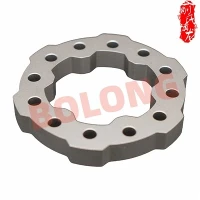
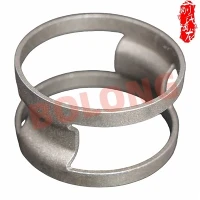
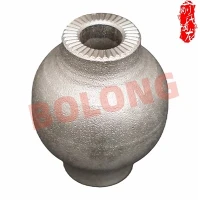
"Broached parts" generally refers to the workpiece after broaching, but routine care primarily focuses on the broaches (tools) and broaching equipment. The workpieces themselves require no special care, only rust prevention or cleaning.
Rust Prevention: For short-term outages (e.g., overnight), wipe dry and apply a thin layer of rust-preventive oil. For long-term storage, hang vertically in a dry environment, wrap with VCI vapor phase rust-preventive paper or rust-preventive oil, and avoid impact to the teeth or moisture (humidity < 45%).
Proper Storage: Never lay broaches flat on hard surfaces or stack them. Separate broaches with wooden boards to prevent chipping or deformation of the teeth. After disassembly, modular broaches should be stored in sequentially numbered order.
Lubrication and Cooling: Before broaching, ensure that cutting fluid (such as extreme pressure emulsion or special broaching oil) is fully poured into the cutting area. After equipment shutdown, check the cooling system filter for blockage and ensure the fluid lines are clear. Regular inspection: Visually inspect the cutting teeth daily using a magnifying glass for chipping, rolling, or wear bands >0.1–0.2 mm (depending on accuracy requirements); if the pressure gauge reading rises abnormally or the surface roughness deteriorates, the cutting tooth should be sent for re-grinding immediately.